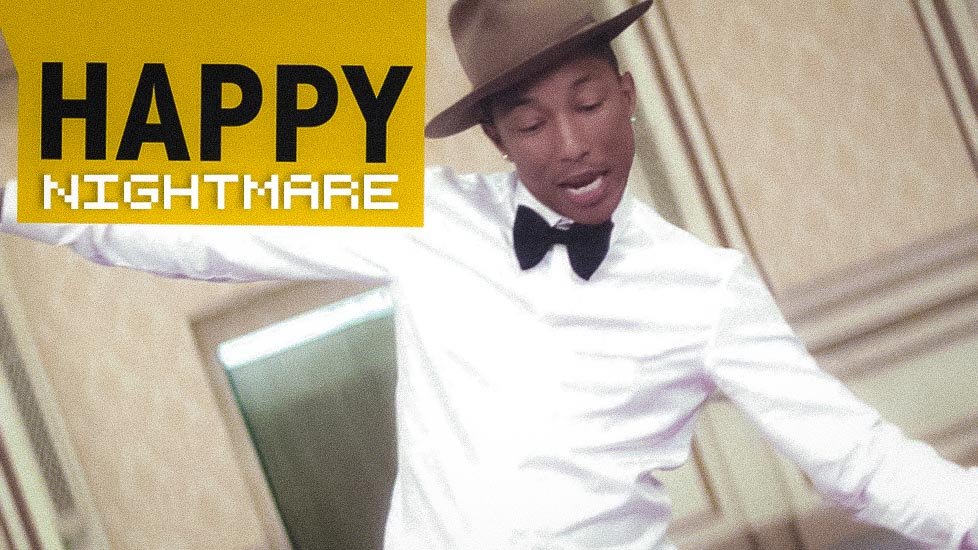
The music industry is notorious for backstabbing the artists that make them revenue. The case of Pharrell Williams and his hit song "Happy" is a masterclass in corporate theft wearing a smile. Despite the song's global success, Pharrell made very little from it due to the insidious nature of his record label's contract.
In 2013, Pharrell Williams released his infectious single "Happy," which quickly became a worldwide phenomenon. The song sold millions of copies, racked up billions of streams, and earned Pharrell several awards, including an Oscar nomination. However, despite the song's massive success, Pharrell only received a small portion of the revenue.
Reports indicate that Pharrell made only around $2,700 in songwriter royalties from 43 million Pandora streams of "Happy." This paltry sum is a stark reminder of the exploitative practices of the traditional music industry model.
A New Royalty Paradigm
Big & Tall Records offers a business model that deviates from the traditional exploitative practices of the music industry. By prioritizing transparency, fair compensation, and artist empowerment, Big & Tall Records presents a more equitable alternative for musicians.
Assuming the song made $30 million in revenue from sales and streaming, $10 million in sync royalties, $5 million from music video earnings, and $5 million from licensing — the total revenue would be $50 million.
Under Big & Tall Records' model, Pharrell could have earned $24 million (80%) from sales and streaming, $10 million (100%) from sync royalties, $5 million (100%) from music video earnings, and $5 million (100%) from licensing. In total — an estimated $44 million.
Under the same assumptions, Big & Tall Records would have still grossed $6 million (20%) from sales and streaming revenue. With 20 employees on salary at 150k per year, the company's annual payroll expense would be $3 million. This leaves a net income of $3 million — more than enough to cover operating costs and maintain a healthy, sustainable business.
Famous Artists That Have Been Screwed
Radiohead — Had a falling out with EMI in the late 2000s. Accused the company of corporate greed and left to self-release "In Rainbows" as a pay-what-you-want digital download.
The Rolling Stones — Signed with Decca Records in 1963 at a very low royalty rate. Eventually formed Rolling Stones Records in 1970 to gain control.
Prince — Highly publicized battle with Warner Bros. in the 1990s. Changed his name to an unpronounceable symbol to escape his contract.
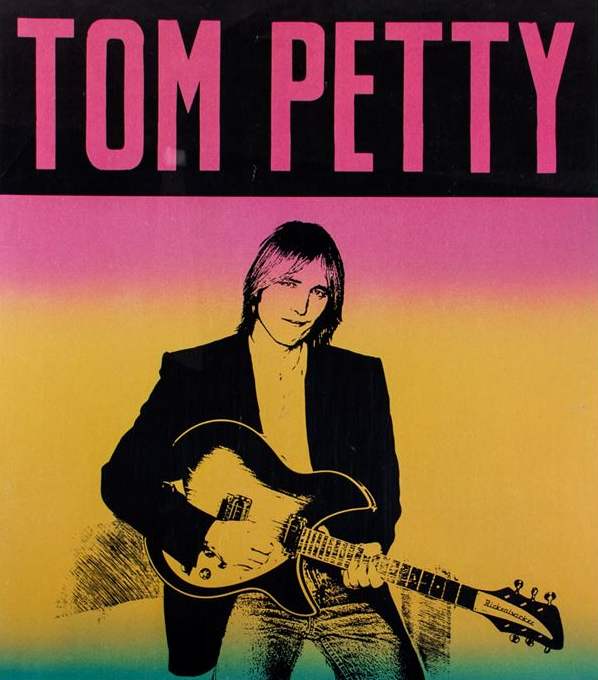
Tom Petty — Fought MCA Records in the 1980s over album pricing. Filed for bankruptcy to escape his contract.
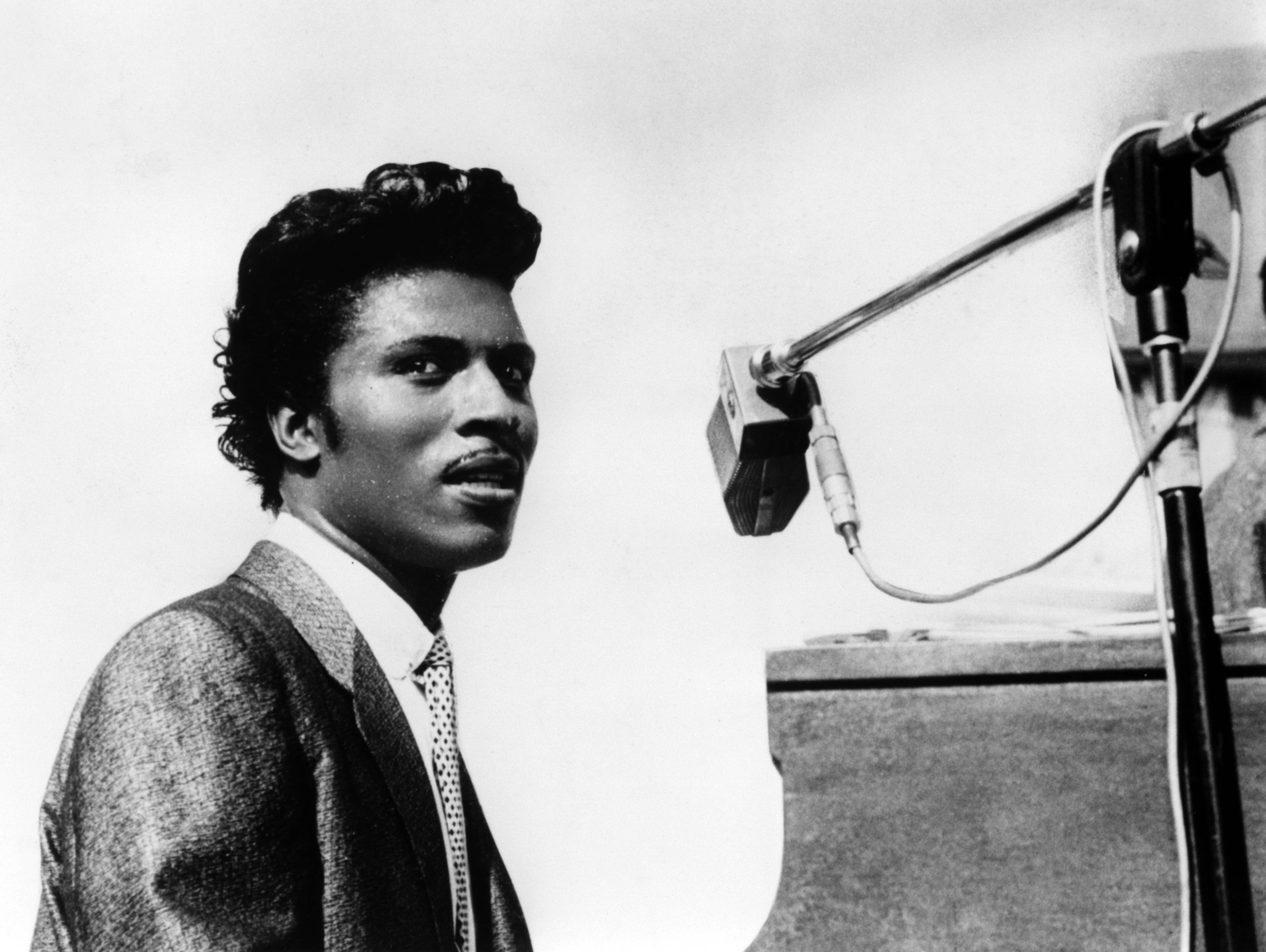
Little Richard — Signed with Specialty Records in the 1950s at half a cent per record. Discovered the label had been underpaying him for years.
The Beatles — Signed with EMI in 1962 at just 1 penny per record sold, split among four members.
Tricky Label Schemes
- 360 deals: Labels take a percentage of all revenue streams — live performances, merchandise, endorsements — in addition to music sales.
- Controlled composition clauses: Lower royalty rate for songs the artist writes or co-writes.
- Breakage clauses: Deductions for "damaged" physical records — still applied to digital streaming.
- Cross-collateralization: Recouping advances from one album by withholding royalties from subsequent albums.
- Creative accounting: Underreporting sales, bundling albums, inflating expenses to minimize royalties.
- Packaging deductions: Deductions for packaging costs — even on digital sales with no packaging.
- Exclusivity clauses: Prevent artists from releasing music outside their label deal.
- Long-term contracts: Lock artists into lengthy deals, making renegotiation nearly impossible.
- Option clauses: Labels can extend contracts for additional albums without artist consent.
- Minimum delivery requirements: Pressure artists to produce quickly, compromising creative vision.
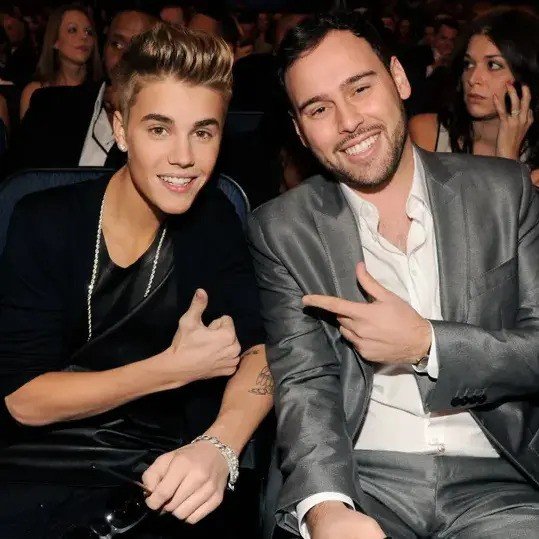
Justin Bieber is currently in litigation — another victim of predatory label practices. While an artist deals with litigation, labels use their deep pockets to prolong the process, creating financial strain designed to force a settlement.
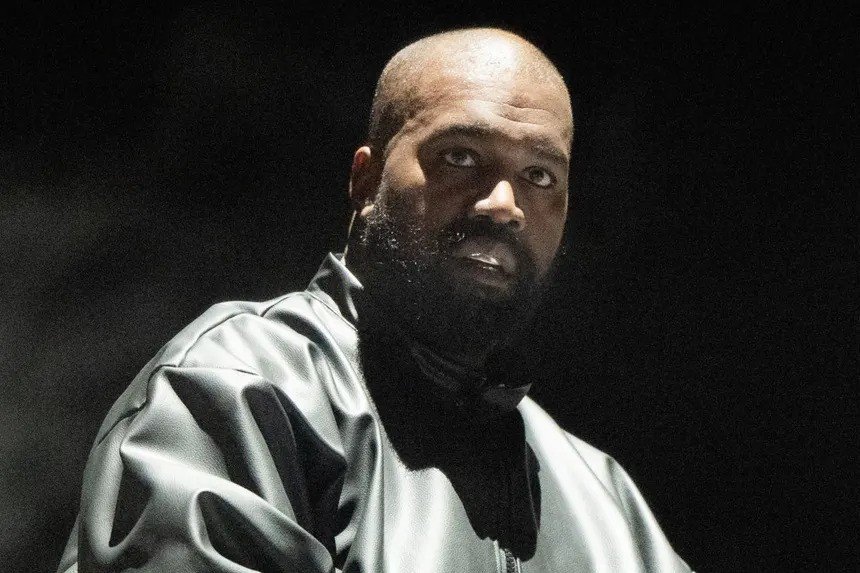
Kanye West — on the chopping block having his right to freedom of speech threatened. Def Jam Records leveraging political pressure to silence any artistic voice that opposes the narrative. In the mind of a record label, freedom of speech becomes "Freedom to say what we allow you to say."
Big & Tall Records is totally different. Instead of stealing the artist's earnings, putting the artist in a cage to be a paid puppet — Big & Tall Records is all about freedom, transparency and truth. When our artists go big, they get paid big. Every click, like, stream. All of our books and earnings are open. We don't hide anything. Big & Tall Records is the most baddest.