We've been quiet. Not because we had nothing to say — but because we were building something. For the past year, Big & Tall Records has been heads-down constructing gardenofthemind.io — a full-stack music streaming platform built from the ground up on AWS serverless architecture. No venture capital. No corporate overlords. Just artists building tools for artists.
Garden of the Mind is our answer to every problem we've written about in these pages. The royalty theft. The censorship. The AI parasites. The impossible-to-exit contracts. Instead of just writing about it — we built the alternative.
The Ship
Garden of the Mind is a Next.js 15 application running on AWS Amplify. The entire backend is serverless — DynamoDB for the database, S3 + CloudFront for media delivery, Lambda for automated processing, SES for email. No servers to maintain. No infrastructure to babysit. It scales to zero when nobody's listening and scales to infinity when the world shows up.
The platform uses a single-table DynamoDB design — artists, songs, albums, playlists, user accounts — all in one table with composite keys. When an artist uploads a song, a Lambda function called the Gardener automatically processes it: generates waveforms, extracts metadata, creates optimized thumbnails, and registers the track across the system. Now on version 19 of the Gardener — 19 iterations of refinement.
The Tape Deck
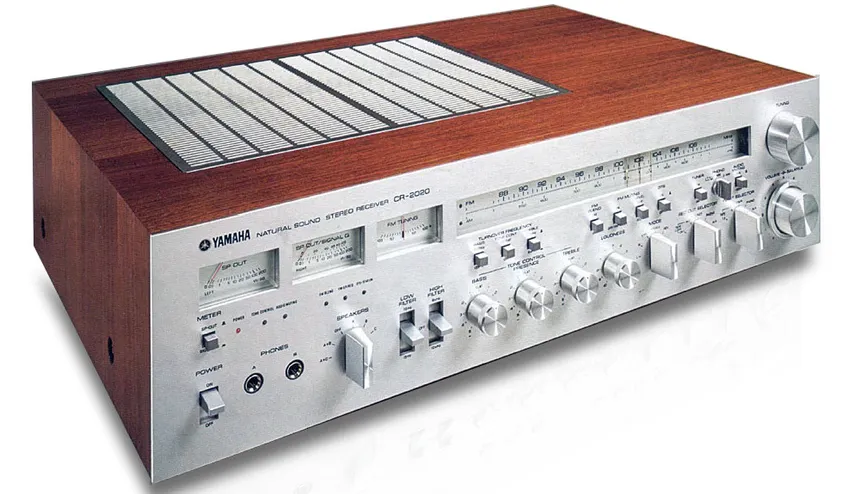
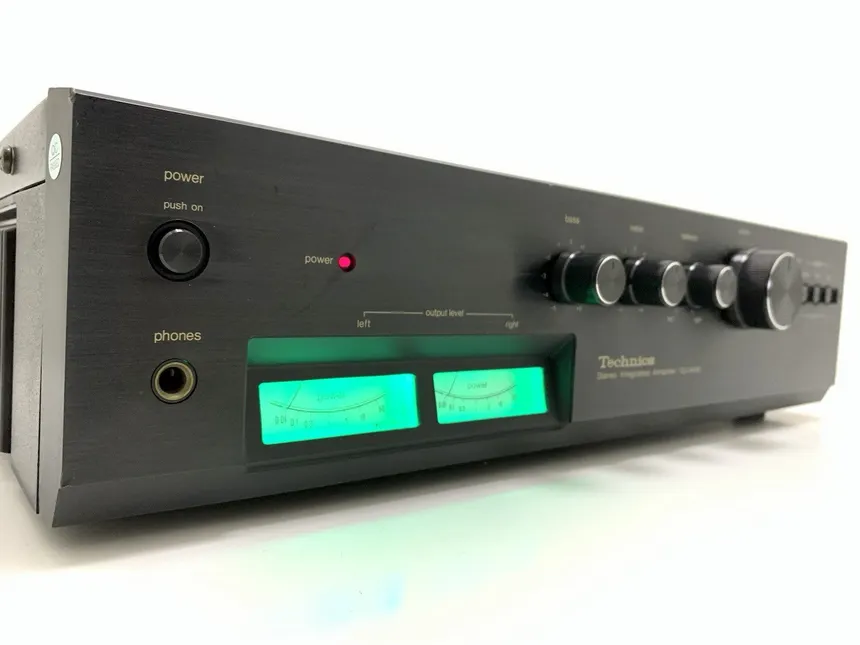
Every great ship needs a great engine room. Ours is the Tape Deck — a persistent global audio playback system that follows you across every page. It's not just a play button. It's a full hi-fi experience with a retro cassette skin, transport controls, and mixtape mode where you can queue up tracks and let them roll.
The Tape Deck runs on a custom TapeDeckProvider context that manages playback state, queue management, and audio routing. It integrates with the browser's Media Session API for native OS controls — lock screen playback on mobile, media keys on desktop. The kind of details that separate a toy from a tool.
The Amplifier — Neural Amp Modeling in the Browser
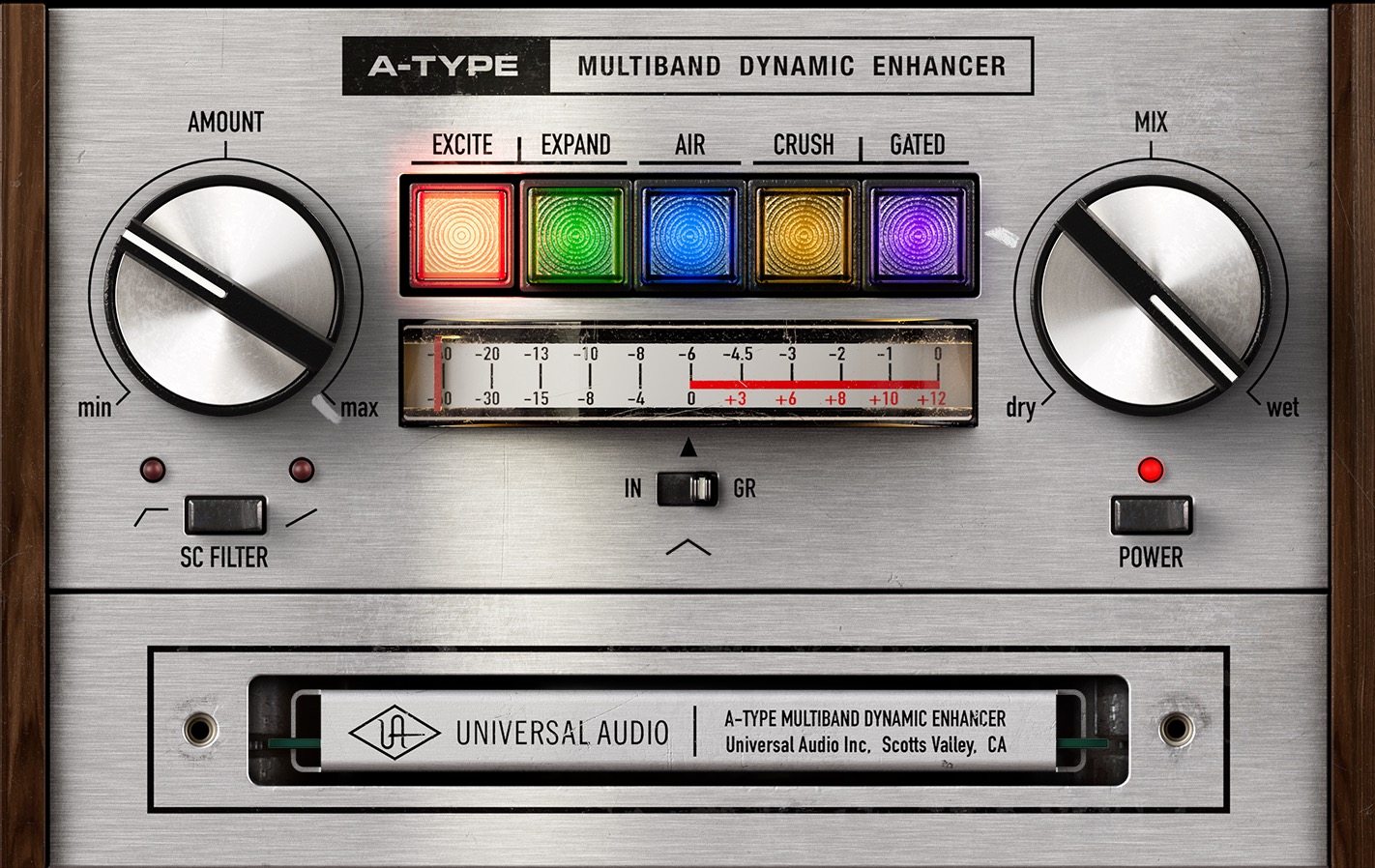
This is where it gets wild. We built a Neural Amp Modeler that runs entirely in the browser using WebAssembly. Real hardware emulations — not approximations. We're talking Neve 1073 preamps, SSL 4000 G+ bus compressors, Fairchild tube compressors, Pultec EQP-1 equalizers, 3M M79 tape machines, UREI 1176 limiters — 22 hardware units, 155 presets. All running in real-time in your browser at 48kHz.
The Amplifier uses NAM (Neural Amp Modeler) technology — neural networks trained on real analog hardware captures. We compiled the NAM core to WebAssembly via Emscripten, creating a 265KB stereo DSP engine that processes audio through independent left and right channels. True stereo. Not fake stereo. The real thing.
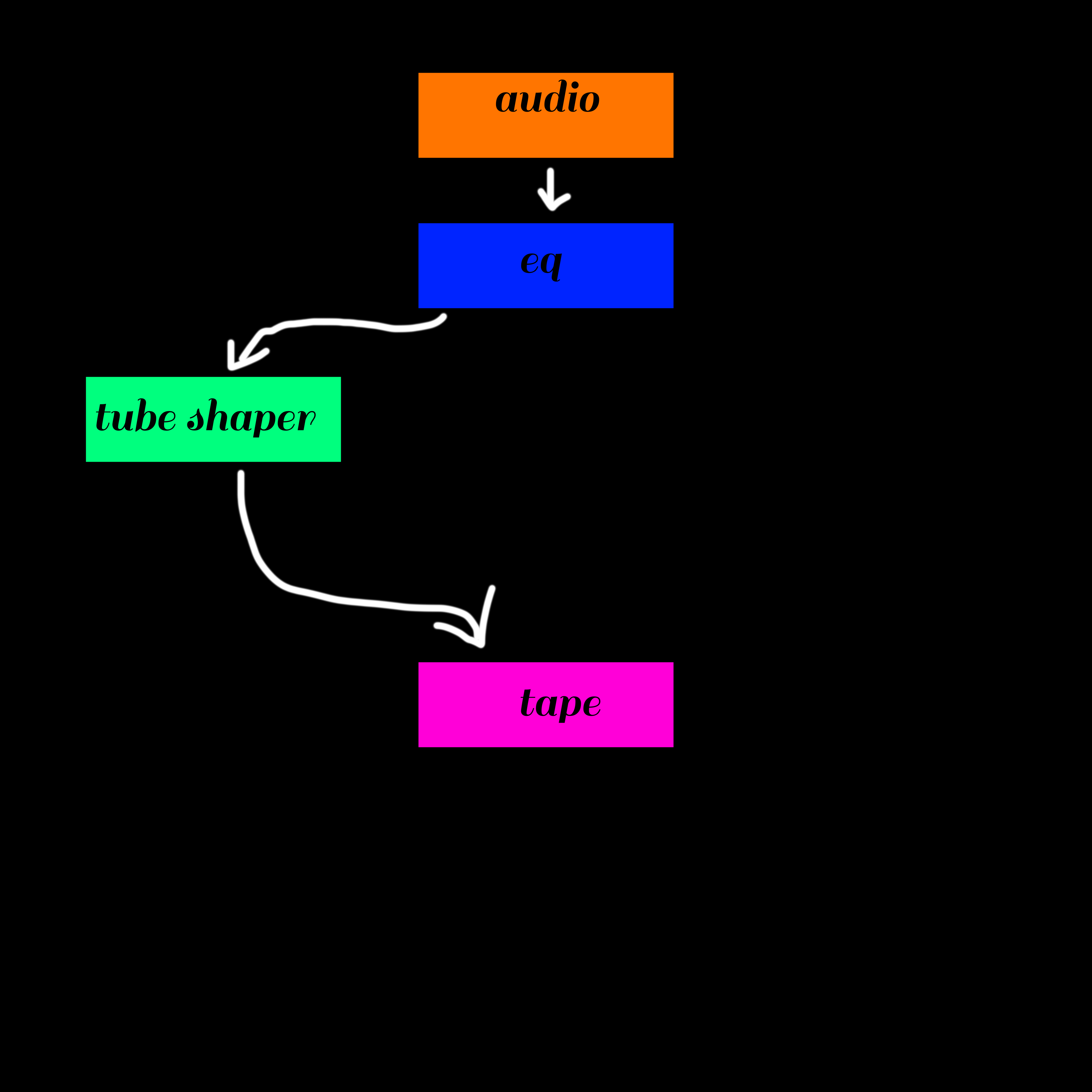
The rack includes EQ, Tube saturation, Tape emulation, and Compression modules — each powered by its own NAM model. Artists can process their audio through vintage hardware that would cost tens of thousands of dollars in the real world. For free. In the browser. On any device.
The Seed Engine
Under the hood of the Amplifier lives the Seed Engine — our custom dual-mode stereo NAM DSP compiled to WebAssembly. It runs in two modes: a threaded engine for Chrome, Edge, and Firefox (using SharedArrayBuffer for zero-latency processing), and a universal engine for Safari and iOS. Full cross-browser compatibility. No compromises.
We also built the Seed Maker — a training pipeline that captures real analog hardware and produces NAM models. We've already captured our own studio gear: the Shadow Hills mastering compressor, a vinyl drive unit, and an Akai A-6100 reel-to-reel tape machine. Every model trained on our own hardware, in our own studio.
The Economics
Garden of the Mind runs on a per-listing subscription model. Five tiers — from Seed (free, 1 release) to Grove (enterprise, unlimited). No 360 deals. No controlled composition clauses. No breakage deductions. No cross-collateralization. Artists own their work. Period.
The platform uses a Dormant Releases mechanic — if an artist downgrades their plan, their extra releases go dormant (hidden from public) but the data is never deleted. Upgrade again and everything comes back. We don't hold your music hostage.
Stripe handles billing. EventBridge routes events to Lambda. DynamoDB tracks quotas. No webhooks — clean event-driven architecture. The kind of system that doesn't break at 3am.
The Voyage Ahead
We're not done. The roadmap includes FUGA DSP integration for distribution to every major streaming platform. The Gardener's Ear — an AI-powered 42-dimension song similarity engine for music discovery. Artist verification and claim systems. Console dashboards with SEO analytics and deploy controls. Garden Trellises — custom sidebar art for artist pages.
But the foundation is laid. The ship is built. The engine is running. And we're setting sail.
Garden of the Mind is live at gardenofthemind.io. Built with 💚 by artists, for artists. Powered by Big & Tall Records. The most baddest.